
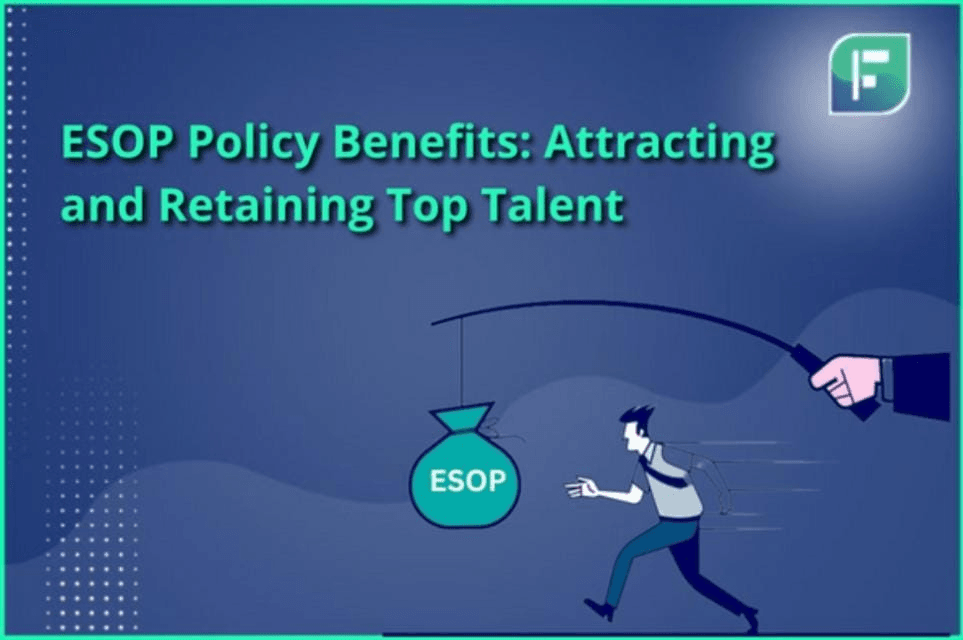
ESOP Management 101: How to Retain Top Talent for Your Startup
Introduction Building a startup is very challenging and Building a great team is even more challenging. In the early days, one might not have the money to offer high salaries like big companies. Yet, you still need smart, dedicated people who believe in your vision. This is where ESOPs come in. If you are a […]
Introduction

Building a startup is very challenging and Building a great team is even more challenging.
In the early days, one might not have the money to offer high salaries like big companies. Yet, you still need smart, dedicated people who believe in your vision. This is where ESOPs come in.
If you are a startup founder in India, understanding ESOP management is not optional anymore. It is one of the smartest ways to retain top talent and build long-term loyalty.
What Is an ESOP?
ESOP stands for Employee Stock Ownership Plan (or Employee Stock Option Plan).
In simple words, an ESOP gives employees the right to buy shares of the company at a fixed price in the future. If the company grows and its valuation increases, those shares become valuable.
Instead of only paying salary, you give employees a chance to become part-owners. It changes their mindset from: “I work here.” to “I am building this.”
Why ESOP Management Matters for Startups?

Startups are risky. Employees know that. When they join a startup, they are taking a leap of faith.
Good ESOP management helps in:
- Attracting strong talent
- Retaining key employees
- Aligning employee goals with company growth
- Reducing attrition
- Building a performance-driven culture
Many startups registered under Startup India use ESOPs as a strategic tool to compete with larger corporations.
In cities like Bengaluru, Mumbai, and Hyderabad, ESOPs have become almost standard practice in the startup ecosystem.
How ESOPs Help Retain Top Talent?
1. They Create Long-Term Commitment
ESOPs usually come with a vesting schedule. This means employees earn their shares gradually over time. For example:
- 4-year vesting period
- 1-year cliff (no shares if they leave before 1 year)
This structure encourages employees to stay longer. If they leave early, they lose unvested shares. This naturally improves retention.
2. They Align Interests
When employees own shares, they think differently. They care about:
- Company valuation
- Profitability
- Customer satisfaction
- Cost control
Their success becomes directly linked to the company’s success. That alignment is powerful.
3. They Build an Ownership Culture
Top talent doesn’t just want a salary. They want impact. They want recognition. They want to feel important.
ESOPs send a strong message: “You are not just an employee. You are a partner in growth.”
That emotional connection builds loyalty.
Common ESOP Mistakes Startups Make
Even though ESOPs are powerful, poor ESOP management can create confusion and dissatisfaction. Here are common mistakes:
1. No Clear Communication
Many founders say, “You will get ESOPs,” but never explain:
- How many shares?
- What percentage?
- What is the strike price?
- When can they sell?
Employees may not understand the real value. Transparency is key.
2. Overpromising Valuation
Telling employees, “These shares will be worth crores one day,” creates unrealistic expectations.
Startup growth is uncertain. Be honest about risks.
3. No Legal Structure
In India, ESOPs must follow Companies Act guidelines if the company is a Private Limited Company.
Proper board approval, shareholder approval, and documentation are required.
Without proper structure, ESOPs can create legal complications later.
4. Poor Exit Planning
Employees often ask: “When can I sell my shares?”
If there is no liquidity event (IPO or acquisition), shares may not convert into cash immediately. Clear policies around buybacks or exit events are important for good ESOP management.
How to Design an Effective ESOP Plan?

Now let’s talk practical steps.
Step 1: Decide the ESOP Pool Size
Most startups create an ESOP pool of 5%–15% of total equity.
This pool is reserved specifically for employees.
Step 2: Create a Vesting Schedule
A standard vesting structure is:
- 4 years total
- 1-year cliff
- Monthly or quarterly vesting after that. This ensures long-term commitment.
Step 3: Define Eligibility Clearly
Not every employee may get ESOPs. You can allocate ESOPs to:
- Senior leadership
- Key technical team members
- High-performing employees, Be clear and consistent in allocation.
Step 4: Communicate the Value Properly
Do not just say “You have 1,000 options.”
Explain:
- Current company valuation
- Strike price
- Potential upside
- Risks involved
When employees understand the real picture, they trust the system more.
Step 5: Keep Compliance in Check
Follow proper legal procedures. Board approvals, documentation, grant letters, and maintaining an ESOP register are important. Clean documentation builds investor confidence during funding rounds.
ESOPs and Startup Growth
When managed properly, ESOPs can:
- Reduce hiring costs
- Improve retention
- Increase productivity
- Strengthen culture
- Attract investors
Investors also like companies where employees have skin in the game. It shows commitment and stability.
In competitive startup ecosystems, ESOP management is no longer optional. It is strategic.
Conclusion
Retaining top talent is one of the biggest challenges for startups. You may not always compete on salary. But you can compete on ownership, vision, and long-term wealth creation.
ESOP management is not just about giving shares. It is about building belief. When employees feel like co-creators instead of workers, they stay longer, work harder, and think bigger.
And in the startup world, that mindset makes all the difference.